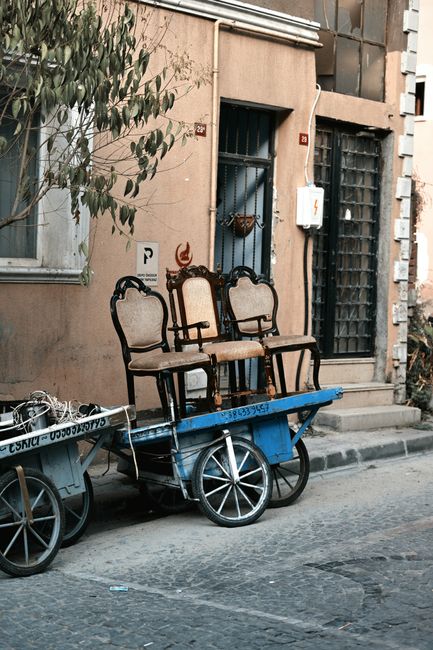
Removals near Tooting Market for bulky furniture: a practical local guide
Trying to move a heavy sofa, a wardrobe, or a dining table near Tooting Market can turn a simple job into a small logistical puzzle. Tight pavements, busy delivery times, awkward stairwells, and a piece of furniture that seems to get bigger the moment you lift it - sound familiar? That is exactly why Removals near Tooting Market for bulky furniture deserves a proper plan, not a rushed van and a prayer.
This guide walks you through how bulky furniture removals work, what to expect, which mistakes cause damage or delay, and how to choose the right approach for your home or business. It also covers practical safety, compliance, and local considerations, so you can make a calm decision instead of a last-minute scramble. Let's face it: bulky items are rarely about strength alone. They are about timing, access, protection, and a bit of patience.
If you are comparing options, it may help to look at broader moving support too, such as removals, man with van, or furniture pick-up depending on how much you need moved and how far it is going.
Table of Contents
- Why Removals near Tooting Market for bulky furniture Matters
- How Removals near Tooting Market for bulky furniture Works
- Key Benefits and Practical Advantages
- Who This Is For and When It Makes Sense
- Step-by-Step Guidance
- Expert Tips for Better Results
- Common Mistakes to Avoid
- Tools, Resources and Recommendations
- Law, Compliance, Standards, or Best Practice
- Options, Methods, or Comparison Table
- Case Study or Real-World Example
- Practical Checklist
- Conclusion
- Frequently Asked Questions
Why Removals near Tooting Market for bulky furniture Matters
Tooting Market sits in a lively, high-footfall part of South London, which is great for grabbing lunch or browsing stalls, but not always ideal when you are manoeuvring a heavy sideboard or a king-size bed frame. Access can be limited by parked cars, narrow loading spaces, busy pedestrian movement, and the general stop-start rhythm of local streets. A bulky item that would be manageable on an open driveway can become tricky fast in a crowded urban setting.
That is the real reason specialist removals matter here: they reduce the number of moving parts. A proper move is not just about muscle. It is about planning the route, protecting floors and door frames, choosing the right vehicle, and knowing when to dismantle furniture rather than forcing it through a stairwell. If you skip those steps, you risk scratches, trapped corners, and that horrible moment when everyone realises the wardrobe is not, in fact, going to "just fit".
Bulky furniture also tends to carry hidden risks. It may have glass, mirrors, sharp corners, unstable weight distribution, or fragile fittings underneath. A professional approach helps reduce injury and damage while keeping the process smoother for you and anyone else involved. In a busy local area like this, that peace of mind is worth a lot.
For many people, the question is not whether to move the item, but how to do it without upsetting the rest of the day. A scheduled collection, a timed pickup, or a wider removal services booking can make the difference between a stressful afternoon and a straightforward one.
How Removals near Tooting Market for bulky furniture Works
Bulky furniture removals usually follow a fairly simple pattern, although the detail matters. First, the item is assessed for size, weight, and access. Then the team decides whether it can be moved whole, needs partial dismantling, or should be wrapped and carried in stages. After that comes the vehicle plan, the loading sequence, and the actual move.
In practice, a good team will ask questions before they arrive. Is there lift access? Are there basement stairs? Can parking be arranged nearby? Do you need help disassembling a bed or removing table legs? These questions are not admin fluff. They change the job, the time needed, and the equipment required.
The usual flow looks like this:
- Initial assessment - share the item type, dimensions if you have them, and your collection and delivery points.
- Access check - note stairs, narrow hallways, parking limits, or height restrictions.
- Protection plan - blankets, straps, wraps, and corner protection are chosen if needed.
- Dismantling where sensible - bulky items often move better in pieces.
- Loading and securing - items are placed to reduce movement in transit.
- Delivery and placement - furniture is unloaded, reassembled if agreed, and positioned carefully.
If your move involves multiple pieces or a full flat, you may find it more practical to combine this with house removals or home moves. For office furniture or stock, commercial moves may fit better.
Truth be told, the best removals often look boring. That is a good thing. Smooth jobs tend to be the ones where the planning did the heavy lifting before anyone touched the sofa.
Key Benefits and Practical Advantages
Using a tailored removal service for bulky furniture near Tooting Market can save time, reduce strain, and lower the risk of damage. But the benefits go beyond convenience.
- Less physical strain - large wardrobes and sofas are awkward, not just heavy.
- Better protection - proper wrapping and carrying methods help prevent scuffs and snapped fittings.
- Smarter access planning - useful in areas where parking and loading space are tight.
- Faster turnaround - experienced movers know how to move with fewer stops and fewer surprises.
- Reduced disruption - especially important if you are moving around work hours or market-day traffic.
- More predictable costs - a planned job is easier to quote accurately than a last-minute rescue mission.
There is also a mental benefit that people often underestimate. Once the bulky item is booked in, one big problem disappears from your week. That matters. Moving already steals enough energy without making you wrestle a wardrobe through a doorway while mentally calculating whether the bus will still get past. Spoiler: it probably won't.
If you are comparing providers, it can be useful to look at the broader set of support options on removals near me and then narrow down to the kind of vehicle or help you actually need, such as man and van or a more substantial removal company.
Who This Is For and When It Makes Sense
This kind of service is a good fit for anyone moving heavy, awkward, or expensive furniture locally around Tooting. That includes renters, homeowners, landlords, shop owners, offices, and anyone clearing a property after refurbishment or redecoration.
It makes particular sense if:
- you have a sofa, wardrobe, cabinet, bed, or dining table that is too large for a car
- you need help with stairs, tight entrances, or shared hallways
- the item is valuable, fragile, or awkwardly shaped
- you are moving only one or two pieces, not an entire house
- you want collection and delivery handled in one visit
- you are replacing old furniture and want the old item removed at the same time
It is also a sensible choice when the furniture itself is the hard part. For example, a large sectional sofa from a third-floor flat can be more troublesome than a whole room of smaller boxes. One big item, oddly enough, can be the most annoying part of the job.
If the item is part of a wider declutter or replacement project, a service such as furniture pick-up can be a neat solution. If it is an office setup, you may want to look at office removals or office relocation services instead.
Step-by-Step Guidance
Here is a practical way to prepare for bulky furniture removals without overcomplicating it.
1. Measure the item and the access points
Measure height, width, and depth of the furniture. Then measure doorways, stair turns, lift openings, and any tight corners. If you have ever watched a sofa get stuck halfway through a doorway, you will know why this matters. A tape measure takes seconds. A stuck wardrobe takes far longer.
2. Decide whether it should be dismantled
Some pieces are much easier to move in parts. Bed frames, table legs, shelving units, and some wardrobes can often be broken down safely. The aim is not to dismantle everything. It is to reduce risk where sensible.
3. Clear the route
Move rugs, loose cables, plant pots, and anything that might trip someone or slow the carry. In shared buildings, a clear path also helps you avoid awkward run-ins with neighbours, which nobody really wants before lunch.
4. Protect the furniture and the property
Use blankets, wrap, tape that will not mark surfaces, and floor protection if needed. If the item has glass or polished wood, add extra padding around corners and handles.
5. Book the right vehicle and team size
A single bulky item may only need a compact booking, while multiple pieces or a very heavy item may need a larger van and extra hands. A removal van or moving van is often more practical than trying to improvise with something too small.
6. Confirm timing and access
Try to avoid the busiest times where possible. Near a market area, timing can make a big difference. Early or mid-morning often feels calmer than the middle of a packed day, though local conditions change. If parking is awkward, mention it early rather than hoping for the best.
7. Check delivery placement in advance
Think about where the item will go once it arrives. Will it fit in the room? Does the bed need assembly first? Is there enough space to turn it? A little thought now saves a lot of shuffling later.
Expert Tips for Better Results
Small details make a big difference with bulky furniture. Over the years, the jobs that go best are usually the ones where the little things were handled well.
- Photograph the item before collection so there is a clear record of its condition.
- Remove drawers, cushions, glass shelves, and loose parts before lifting.
- Label screws and fittings in a small bag if anything is dismantled. It sounds obvious. Still gets forgotten.
- Protect wall corners and bannisters if the route is tight.
- Tell the mover about awkward weight distribution, especially with old solid-wood furniture.
- Have a backup plan for parking if the nearest bay is occupied.
- Keep children and pets away from the route while the move is happening.
Another useful tip: do not assume a piece is "light enough" just because you and a friend once managed to move it. That memory can be misleading. Items feel heavier when you are navigating stairs, turns, rain, or a hallway that appears to have shrunk overnight.
For extra peace of mind, some customers choose a provider that also explains its insurance and safety approach clearly. That tends to be a good sign. Clear, calm, boring paperwork is your friend here.
Common Mistakes to Avoid
Most bulky furniture problems come from a few predictable errors. If you can avoid these, the job usually goes much more smoothly.
- Booking too small a vehicle and hoping to "just make it fit"
- Not measuring access properly, then discovering the lift is too narrow
- Leaving fragile parts attached when they should be removed first
- Forcing furniture through tight spaces instead of pausing and rethinking
- Ignoring parking restrictions or loading limitations
- Underestimating time, especially where stairs or dismantling are involved
- Assuming all movers handle bulky items the same way
One especially common mistake is not telling the removal team about the exact building layout. A lift that only fits one item at a time changes the whole plan. So does a top-floor flat with a spiral staircase. Better to be awkward in advance than surprised on the day.
If the move is part of a larger property change, it can help to review house movers or house removalists options so you are not trying to squeeze a whole house move into a furniture-only booking.
Tools, Resources and Recommendations
You do not need a van full of kit to move one sofa, but the right tools matter. Good removals teams typically use a mix of the following:
- moving blankets
- straps and load restraints
- protective wrap for edges and surfaces
- basic dismantling tools
- gloves with a solid grip
- trolleys or dollies where appropriate
- floor and door protection for awkward access routes
From a customer point of view, your best resources are often the simplest ones: a tape measure, a notebook or phone note with dimensions, photos of access points, and a clear list of what needs moving. Nothing fancy. Just organised.
You can also make the process easier by reviewing practical pages such as pricing and quotes when you want a better sense of how jobs are assessed, or packing and unpacking services if your bulky furniture move is part of a larger home setup.
For sellers, landlords, and anyone replacing old items, it may also help to think ahead about recycling and sustainability. Not everything needs to go to waste, and not every item should be treated like general rubbish, to be fair.
Law, Compliance, Standards, or Best Practice
Bulky furniture removals sit in a practical world of safety, property care, and responsible handling. You do not need to become a legal expert to book a move, but it helps to know what good practice looks like.
In the UK, anyone moving heavy furniture should think carefully about manual handling, safe lifting, and avoiding preventable damage. For businesses, there can also be obligations around workplace safety, access management, and responsible disposal of unwanted items. Even in domestic moves, the basics still matter: clear communication, sensible lifting, and a realistic load plan.
A professional service should be able to explain how it handles:
- safe lifting and carrying
- item protection during loading and transit
- public-space awareness near busy streets
- damage prevention for floors, doors, and walls
- secure transport and reasonable care of possessions
It is also sensible to read a company's health and safety policy, terms and conditions, and payment information before booking. If you are dealing with personal data or online forms, the site's privacy policy and payment and security pages are worth a quick look too.
For business customers, the relevant route may be a more structured service such as office removals. For retail stock or larger jobs, removal company support often makes more sense than a casual one-off lift.
Options, Methods, or Comparison Table
There is more than one way to move bulky furniture near Tooting Market. The right choice depends on the item, the access, and how much help you want.
| Option | Best for | Strengths | Limitations |
|---|---|---|---|
| Man and van | One or two bulky items, lighter local jobs | Flexible, often quick to arrange, good for simple collections | May be less suitable for very large or complex moves |
| Dedicated removal service | Heavier furniture, awkward access, multiple items | More support, better planning, stronger loading capacity | Often more than you need for a single small item |
| Furniture pick-up only | Unwanted sofa, bed, or surplus item | Simple if the item is going straight out | Less useful if the item must also be delivered elsewhere |
| Full home move | Bulky item plus household contents | Efficient when the furniture is part of a broader move | Can be overkill for just one item |
In plain English: if you are moving a single heavy armchair across the street, a smaller service may do the job perfectly well. If you have a large wardrobe, a headboard, two mattresses, and awkward stairs, go with something more capable. Simple as that.
For vehicle-specific support, removal van and moving truck pages can help you think through capacity, while removal truck hire is more relevant when you want the transport side separated out.
Case Study or Real-World Example
A fairly typical local scenario goes like this. A couple in a flat near Tooting Market decide to replace a bulky three-seater sofa. The old one has a deep frame, fixed arms, and just enough wear that everyone has an opinion about it. The lift in the building is small, the hallway bends sharply, and parking outside is limited. Not ideal.
Instead of trying to muscle it out with a borrowed car and crossed fingers, they book a local removal team. Before the visit, they send measurements and a couple of photos of the stairwell. The team arrives with blankets, straps, and a clear plan. The sofa is wrapped, one side cushion is removed, and the route is checked before lifting. Because access is tight, the team takes a slower turning angle at the hallway corner rather than forcing the frame. Nothing dramatic. Just good judgement.
The sofa is out, the new one is in later that day, and the flooring stays untouched. The couple's main comment afterwards is usually the same: "We should have done that first time." That is the thing with bulky furniture. When it is handled well, it feels almost annoyingly straightforward. When it is not, it can take over your whole afternoon.
That same approach works whether the job is a sofa, wardrobe, bed frame, or a larger domestic clear-out. And if you are not sure where your own move sits, a quick check with man and van removals or movers can help you match the service to the job.
Practical Checklist
Use this before booking or on the day of collection.
- Measure the bulky furniture accurately
- Measure doors, stairs, lifts, and corners
- Take photos of the item and access route
- Confirm whether the furniture needs dismantling
- Clear the route inside the property
- Check parking and loading access near the address
- Tell the mover about fragile parts or awkward weight
- Ask what protection and lifting equipment will be used
- Confirm collection and delivery times
- Decide where the item should be placed at delivery
- Keep pets and children away during the move
- Review safety, insurance, and terms before booking
Small checklist, big difference. That is usually how it goes.
Get a free quote today and see how much you can save.
Conclusion
Bulky furniture removals near Tooting Market are easiest when you treat them as a planning job, not a lifting contest. Measure properly, think through access, choose the right vehicle, and make sure the team understands the item before the day arrives. That is what keeps the process safe, efficient, and far less stressful.
Whether you are shifting one awkward sofa or clearing several oversized pieces, the right approach saves time and protects both the furniture and the property. And honestly, once the heavy bit is handled well, the rest of the day feels lighter. A bit of breathing room makes all the difference.
Whenever you are ready, keep it simple, stay organised, and let the move feel manageable again.
Frequently Asked Questions
How do I know if my bulky furniture needs a specialist removal service?
If the item is too heavy for two people to move safely, does not fit easily through doors, or needs stair carrying, a specialist service is usually the sensible choice. Large wardrobes, corner sofas, and solid-wood tables are the usual culprits.
Can a man and van handle bulky furniture near Tooting Market?
Often yes, if it is a small number of items and access is straightforward. For larger, heavier, or more awkward furniture, a more robust removal setup may be a better fit.
Should I dismantle my furniture before the move?
Only if it helps the item fit safely and can be done without damage. Bed frames, table legs, and shelving often travel better in parts. If you are unsure, ask before taking anything apart.
What if the furniture is too large for the stairwell or lift?
That is exactly the sort of issue that should be flagged early. A good removal team may use a different angle, partial dismantling, or a different route. Sometimes the answer is simply choosing a more suitable service.
How far in advance should I book a bulky furniture removal?
As early as you can, especially if you need a specific time slot or weekday access. Even a short notice booking can work, but a bit of lead time helps with parking, staffing, and planning.
Will the team protect floors and walls?
They should, especially for tight hallways and delicate surfaces. Ask what protection is used before the job starts. It is a fair question and usually a reassuring one.
Can you move one item only, or do I need a full house move?
Many jobs are just one or two bulky items. You do not need a full move unless that is what you actually require. A focused furniture pickup can be the neatest option.
What details should I give when asking for a quote?
Share the item type, measurements if you have them, collection and delivery addresses, access details, and whether anything needs dismantling. Photos help too. The more accurate the information, the better the quote.
Is bulky furniture removal suitable for office items as well?
Yes. Desks, filing cabinets, meeting tables, and reception furniture often need the same careful planning. For larger business moves, office-specific support is often more efficient.
What if my item is heavy but fragile at the same time?
Tell the mover before the job begins. Heavy and fragile is a common combination with older furniture, glass-fronted cabinets, and polished wood. Extra wrapping and slower handling may be needed.
How can I keep the move as cheap as possible without cutting corners?
Measure accurately, prepare access in advance, dismantle only when useful, and choose the right service level from the start. The cheapest quote is not always the best value if it leads to delays or damage.
What should I check before paying for the service?
Look at the booking terms, safety approach, payment security, and any insurance information that is provided. If anything is unclear, ask questions before confirming. A clear answer is always better than a rushed one.